 Published
Updated
Choose a shopfront sign construction by matching the building, viewing conditions and maintenance access. A flat fascia, raised letters and an illuminated sign solve different visual problems; none is automatically the best choice.
The substrate is the base material. The lettering may be printed, applied as vinyl or fabricated as separate elements. Ask the supplier to describe both. A quote that says only “premium sign” leaves the construction unclear.
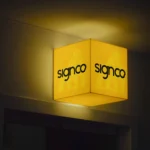
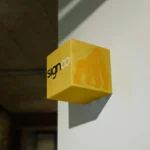
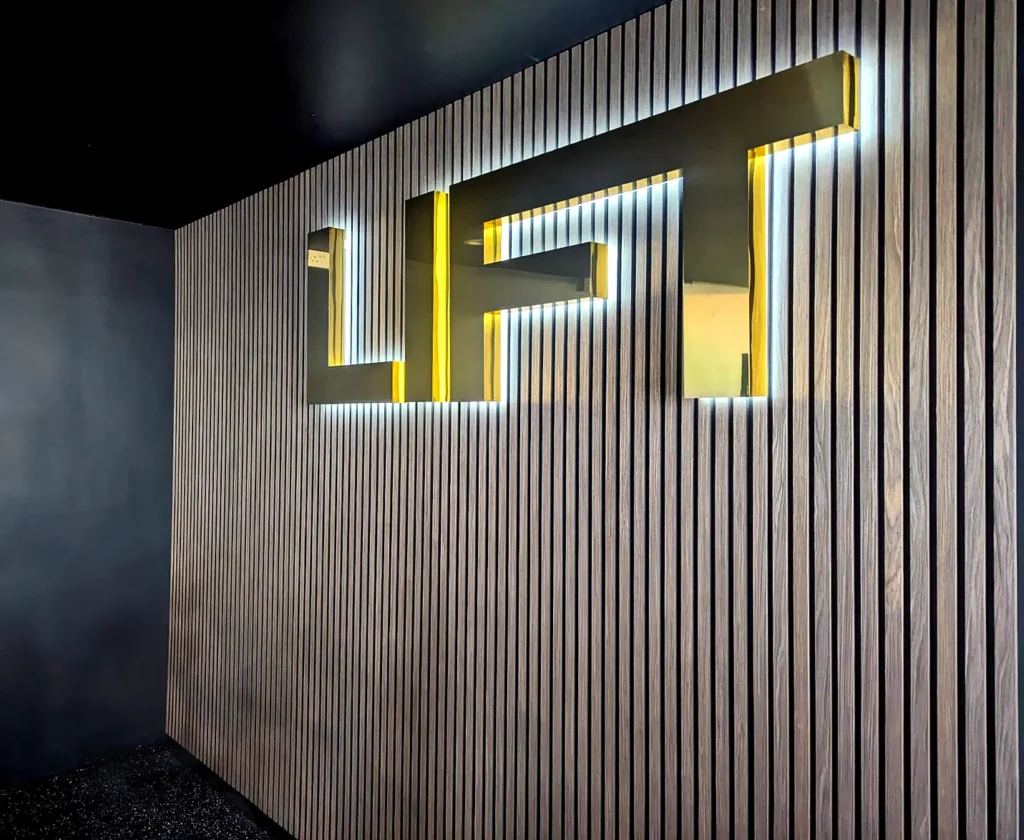
A flat panel can suit a straightforward identification job. Raised letters add depth and cast shadows, which may support a particular brand style. Illumination can help during darker trading hours, but introduces power, access and maintenance requirements. Assess those separately from the appearance of the daytime mock-up.
| Option | Useful question | Check before approval |
|---|---|---|
| Flat fascia | Is a clear name and service message enough? | Panel joints, edge finish and mounting surface |
| Raised lettering | Will depth improve the intended appearance? | Letter size, spacing, fixings and cleaning access |
| Illuminated design | Do visitors arrive when daylight is limited? | Light distribution, power provision and permissions |
Review a sample against the actual wall and surrounding finishes. Check reflections, contrast and how the sign looks from both approaches. A shiny surface that looks attractive indoors may create distracting reflections outside. Ask how exposed edges and fixings will look from pavement level.
For a hypothetical small salon in a heritage streetscape, a restrained fascia may be more appropriate than a large illuminated box. That is a design scenario, not a completed SignCo project. Check the relevant permissions and building constraints before treating a style preference as a specification.
Ask what can be cleaned, repaired or replaced independently. A failed lighting component should not require guesswork about access. Record how the supplier expects the sign to be inspected. Avoid choosing a material merely because another shop uses it: size, exposure and support may differ.
Use the retail signage guide to compare the overall service and the evening visibility guide when lighting is the main concern. Discuss suitable constructions through custom signage.
No. Size, spacing, contrast and viewing angle still determine whether people can recognise the message.
Thickness is only one factor. Material grade, panel dimensions, support and the installation design matter too.
Choose illumination when the viewing conditions justify it and the proposed installation is appropriate.
Ask for an inspection of its condition, fixings and dimensions before assuming it can support a new face or letters.
Ask for material samples and an annotated shopfront proposal. Explore SignCo’s custom signage or contact the team.