 Published
Updated
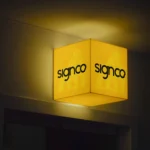
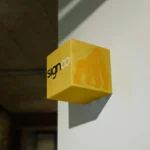
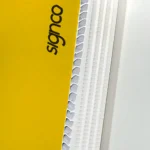
For coordinated office reception signs and wall graphics, choose a supplier that can work from a shared brief and assess the actual surfaces. SignCo’s custom signage service includes reception signs and interior branding, while its wall wraps page describes vinyl graphics and rigid panel options. Ask for a project-specific survey and proposal.
Walk from the building entrance to reception, meeting rooms and the exit. Identify where visitors need confirmation or direction. The reception logo may support recognition, but it should not be expected to answer every wayfinding question.
Prepare a checked room schedule and one current brand pack. Include official organisation names, logos, colours, room names and any landlord conditions. Agree whether the brief covers a feature wall, reception identity, directional signs or several related items.
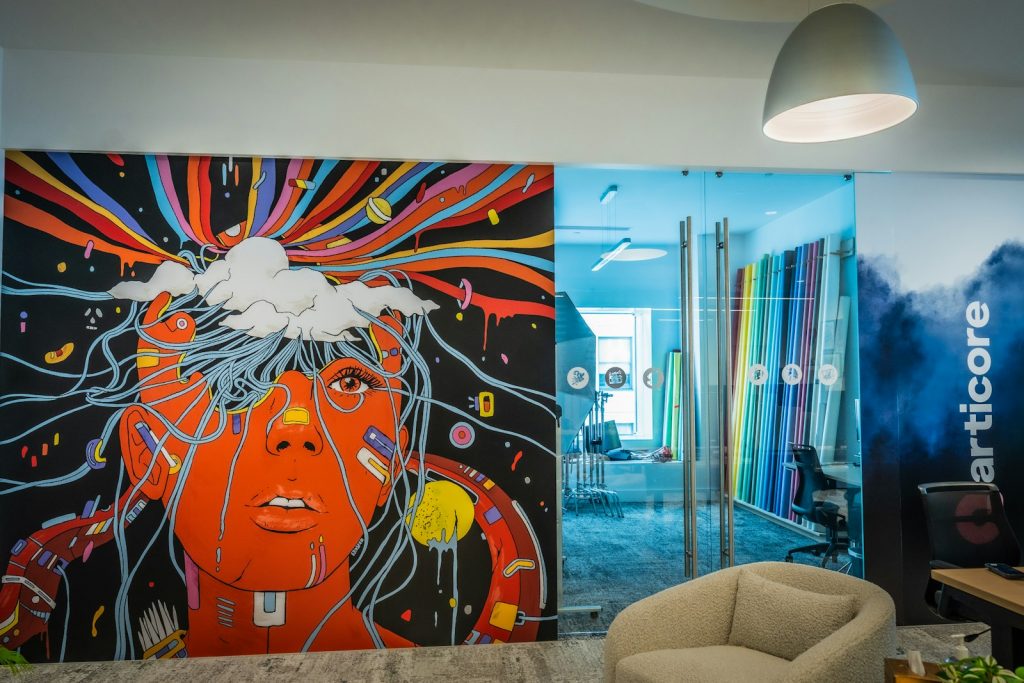
A reception sign can be a flat panel, separate lettering or another proposed construction. The wall must be suitable for its fixings or adhesive system. Large wall graphics also need a surface assessment; a wall that looks clean can still be unsuitable for the proposed film.
Ask for samples where finish or colour appearance matters. View them against existing flooring, paint and lighting. Consider what will be visible on video calls or photographs, while keeping the physical visitor experience the main test.
| Project element | Decision before production |
|---|---|
| Reception identity | Size, location, construction and wall attachment |
| Feature wall | Surface suitability, panel layout and image quality |
| Wayfinding | Approved names, destinations and sign positions |
| Glazed rooms | Privacy requirements considered separately from branding |
| Installation | Room access, sequencing and handover ownership |
Branding on glass may be decorative without screening a meeting. If privacy is needed, specify what people should not be able to see and test the proposed film on the actual glazing. Use the meeting-room privacy guide.
For painted walls, agree a test using the actual film and surface. Manufacturer wall-graphics resources highlight adhesion preparation as a specific issue. 3M building and wall graphics guidance Do not treat a general cleaning method as proof that every paint system is suitable; the surface assessment guide sets out the questions.
Share occupied hours, meeting bookings and any restrictions on noise or access. Establish who signs off the final artwork and who accepts the finished installation. A project that crosses several rooms needs a room-by-room record, not only an overall delivery date.
Use reception construction choices, the branding brief and installation planning to resolve the details. Avoid turning the office into a set of repeated slogans: useful directions and a clear identity can do more for the visitor than filling every wall.
Ask for a scope covering the exact signs, graphics, surveys and fitting you require.
No universal suitability is assumed. Test the actual film and paint combination.
It confirms identity, but visitors may still need destination and directional information.
Only if the selected coverage and film perform against the actual privacy requirement.
Use it for layout, then resolve material, surface, colour and fixing questions with suitable samples and site checks.
Send wall photographs, dimensions and a visitor journey brief. Explore SignCo’s office signs and wall graphics or contact the team.