 Published
Updated
For custom construction branding and direction boards, send a printer a checked board schedule and the intended installation conditions. SignCo’s Correx page and custom signage service provide relevant starting points for an enquiry. Keep responsibility for site safety information, route design and structural mounting explicit.
Assign each board an ID and record its purpose, wording, dimensions, quantity, location and desired service period. Include a plan identifying gates, pedestrian routes and site offices. Have the appropriate site representative approve the information before print.
Distinguish project branding from visitor directions and risk-based safety communication. A project-name board and an instruction at a vehicle entrance may sit near each other, but they need different content and approval owners.
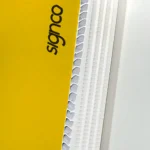
Temporary boards may suit a different construction from a longer-term development display. Ask about the supplied sheet, printed finish, exposure and supporting structure together. Use the Correx and Foamex comparison to start the material discussion, then have the supplier assess the actual application.
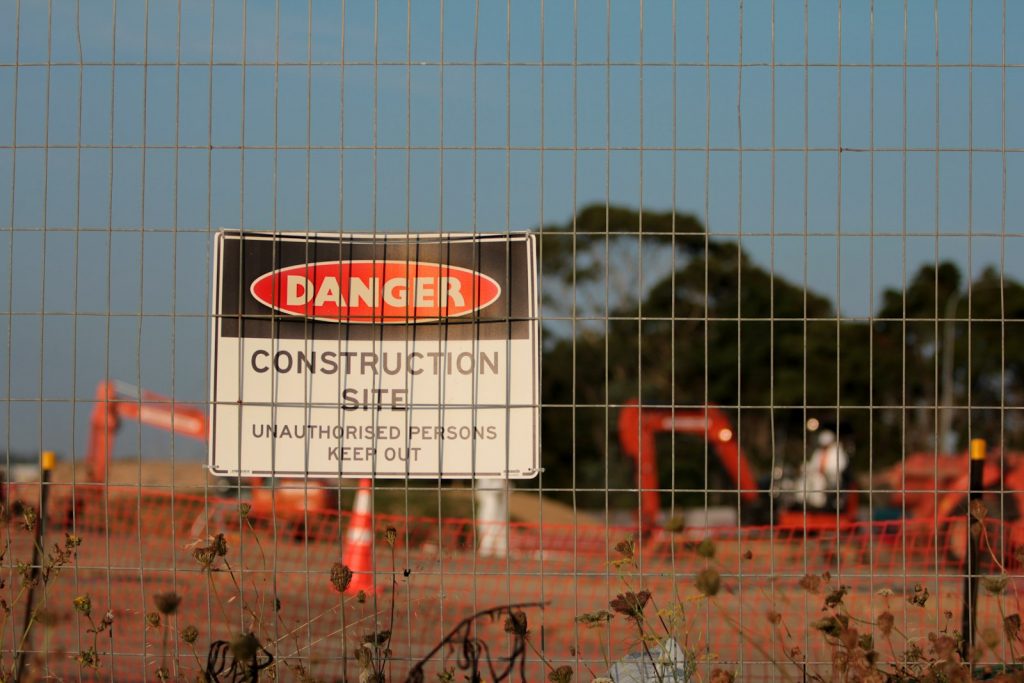
Do not assume a weather-resistant sheet will remain secure on an exposed fence. Board dimensions, supports, fixings and the site’s exposure must be considered. The mounting questions identify the information a competent installer needs.
| Schedule field | Purpose |
|---|---|
| Board ID and location | Connects artwork to the intended physical position |
| Approved wording and arrow direction | Reduces wrong-gate and wrong-route errors |
| Dimensions and quantity | Defines the print order |
| Material and mounting responsibility | Separates the printed panel from its support system |
| Revision and review owner | Supports phased changes and repeat orders |
HSENI guidance emphasises safe traffic routes and suitable separation where vehicles and pedestrians share space. HSENI site-safety guidance Printed arrows support an approved arrangement; they do not design the route or replace site management.
Have the site team review any safety-sign specification. Use the relevant Northern Ireland framework and competent advice for the hazards and work involved. The safety-sign scope guide explains why marketing artwork should not overwrite required safety communication.
Record the revision on the order and identify who removes superseded boards. A new gate sign is ineffective if the old direction remains visible along another approach. Use the gate and delivery guide for changes.
For hoarding, approve a numbered elevation before producing a whole run; the panel sequencing guide addresses joins and replacements. If the deadline is urgent, contact the printer early with one complete pack rather than promising a completion date based on a generic service description.
Its Correx and custom signage pages support an enquiry for relevant printed boards. Confirm size, finish and installation scope.
Ask about the actual board and support system; do not infer structural design from a print service.
The site’s responsible, competent team should approve the relevant specification.
A board ID, artwork revision and material record make a repeat enquiry more precise.
Ask with the final schedule and required handover time. Capacity and specification must be confirmed.
Send a board schedule, site plan, sizes, quantities and installation responsibility. Explore SignCo’s construction boards or contact the team.