 Published
Updated
Tell the installer about paint repairs, damaged bodywork, old graphics and lease conditions before booking. Preparation requirements should be specific to the vehicle and proposed film.
Photograph dents, rust, flaking paint, scratches and previous repairs. A graphic is applied to the surface it is given; it does not restore the strength of failing paint. Ask the installer whether defects must be repaired and what condition is acceptable.
Freshly repaired or painted panels require particular attention. Use the paint system and installer’s guidance for readiness rather than assuming that paint which feels dry is fully ready for adhesive film. Record any limitation discussed with the supplier.
Ask what the customer should clean and what preparation the fitting team will perform. Do not apply waxes, dressings or coatings immediately beforehand without approval. Remove loose contents if access to doors or internal areas is required.
Provide the exact vehicle at the agreed time and confirm who can authorise changes if the initial inspection uncovers a problem. Ask whether roof racks, accessories or existing vinyl need to be removed and by whom. These are scope items, not details to leave to the fitting morning.
Check lease or owner approval in advance. Make sure final artwork matches the actual body configuration. A different rear door, window arrangement or accessory can require a revised design.
Keep a simple readiness record: vehicle identity, known defects, approved artwork version, required preparation, arrival arrangements and return-to-service advice. Avoid promising your operations team a collection time that the installer has not confirmed.
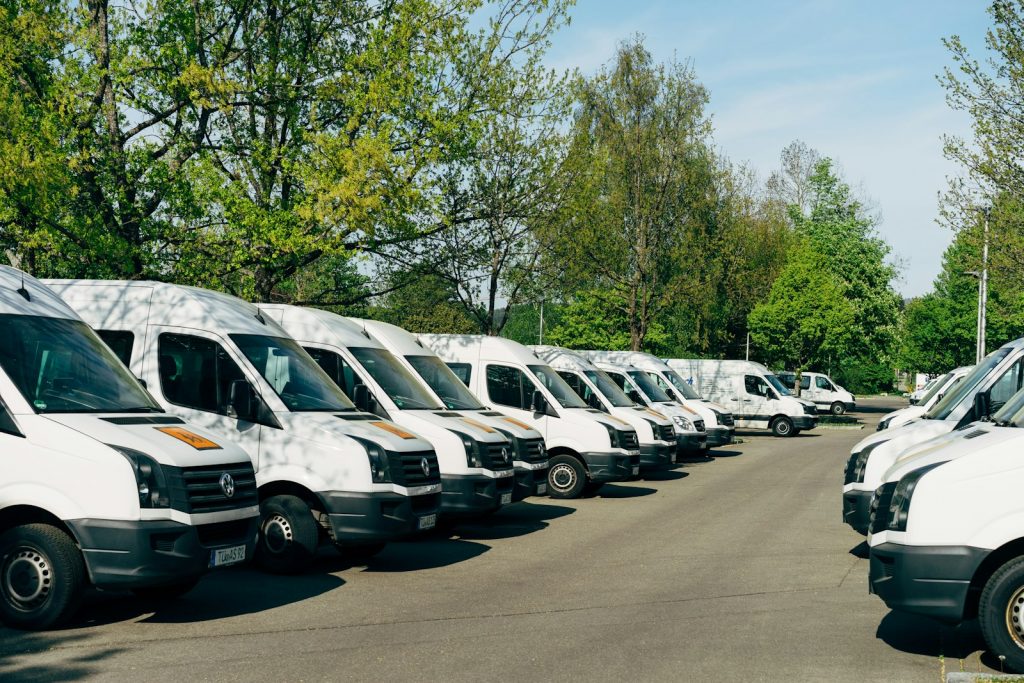
Use the supplier guide for the buying stage and the fleet schedule when several vans are involved. Share condition photographs with the graphics supplier before committing to the appointment.
They can cover its appearance, but they do not repair corrosion or create a sound paint surface.
Ask the installer and paint supplier about the exact paint system and conditions.
Ask the installer; surface treatments can affect preparation.
Check the lease or owner’s conditions, including removal and return requirements.
Share paint repair and existing-graphic details before confirming a fitting slot. Explore SignCo’s custom signage or contact the team.